WATCH & RELEASE
THE MONTHLY 25 / DECEMBER 2026
The Main Event
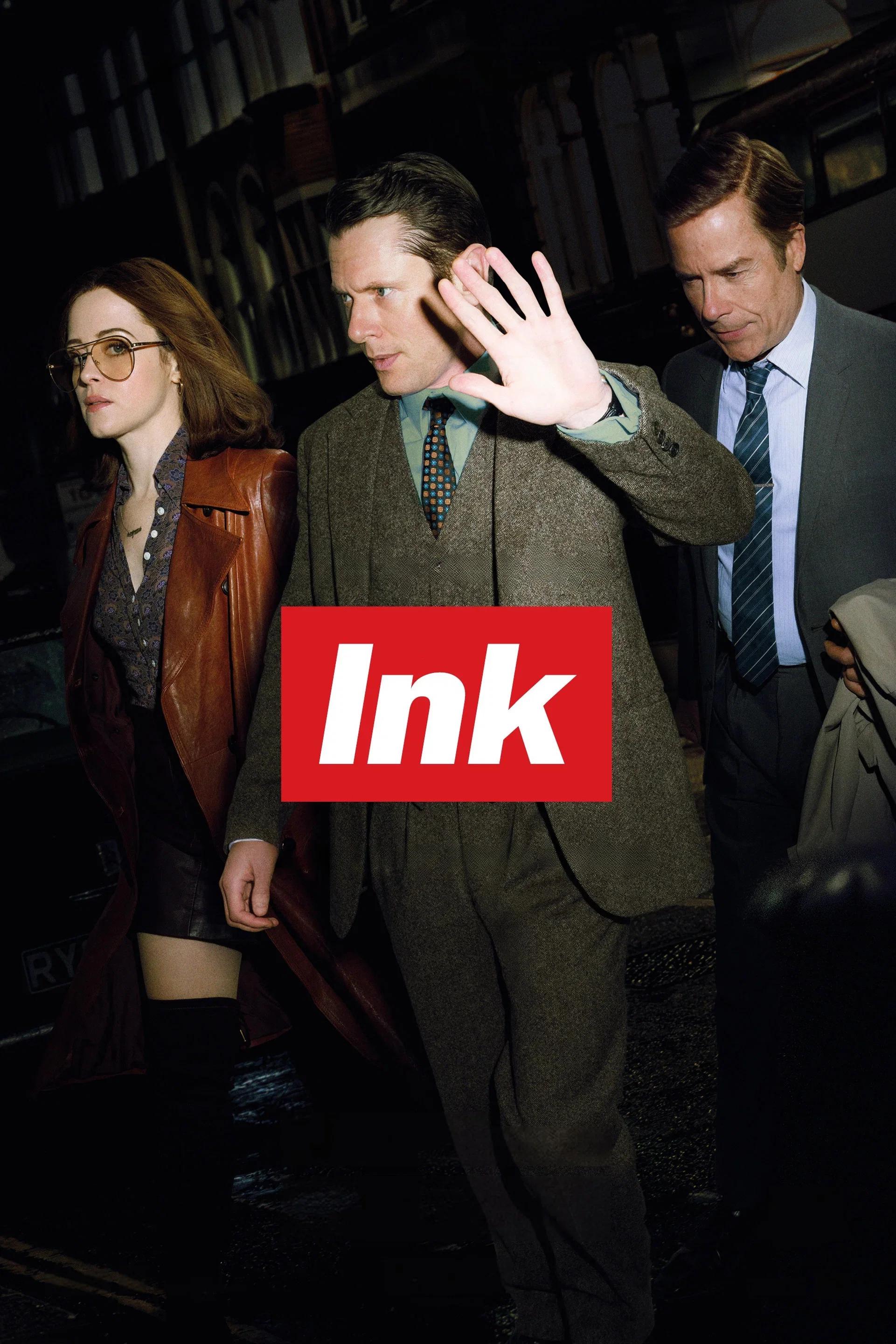
Ink
London, 1969. When ambitious publisher Rupert Murdoch acquires The Sun, a struggling British newspaper, he recruits editor Larry Lamb to transform it into a publication capable of challenging the country's established press. Lamb assembles an unconventional team of journalists and embraces an aggressive editorial philosophy built around sensational stories, provocative headlines, and an instinctive understanding of popular appetite. As circulation grows, the newspaper's success begins to reshape the relationship between journalism, commerce, and public influence. What starts as an audacious challenge to Britain's media establishment becomes the foundation of a publishing revolution whose consequences extend far beyond the newsroom.
FILM AT A GLANCE
PRINCIPAL CAST
Jack O'Connell · Guy Pearce · Claire Foy · Blake Harrison · Brian Gleeson
DIRECTOR
Danny Boyle
SCREENPLAY
James Graham
CINEMATOGRAPHY
Alwin H. Küchler
PRODUCTION DESIGN
Carson McColl · Gareth Pugh
ORIGINAL SCORE
Daniel Pemberton
DISTRIBUTOR
Netflix
THE STEADIED PERSPECTIVE
THE STEADIED PERSPECTIVE
The transformation of journalism into a fiercely competitive business of attention did not begin with social media. Decades before digital platforms learned to measure public interest through clicks, shares, and engagement, newspaper publishers were already discovering the commercial power of sensationalism. Danny Boyle's Ink returns to a pivotal moment in that history, examining how two ambitious men helped change the relationship between the press and its audience. Set in 1969, the film follows Rupert Murdoch and editor Larry Lamb as they reinvent The Sun, turning a struggling British newspaper into an increasingly influential tabloid. Their methods challenge the conventions of established journalism, replacing traditional ideas of editorial respectability with a more aggressive understanding of what readers want. The resulting conflict raises questions about whether newspapers should reflect public appetite, shape it, or exercise some responsibility beyond satisfying it. Boyle's filmmaking has frequently explored characters propelled by extraordinary ambition, whether through the restless energy of Trainspotting, the entrepreneurial intensity of Steve Jobs, or the desperate determination of Slumdog Millionaire. Ink offers similarly fertile material. The newsroom becomes a place where creativity, competition, opportunism, and moral compromise can emerge from the same impulse to succeed. Screenwriter James Graham adapts his own stage play, bringing an established theatrical examination of British media history to the screen. Jack O'Connell portrays Larry Lamb, while Guy Pearce plays Murdoch and Claire Foy appears as Jules Davies. Their characters operate within an industry undergoing a transformation that would eventually influence not only newspapers but the wider culture of political communication and entertainment. The film's historical setting is especially relevant to contemporary debates about the media. The commercial incentives that helped make The Sun successful have recognizable parallels in today's digital information economy, where competition for attention can reward provocation as readily as accuracy. Yet the story also invites consideration of the energy and ingenuity involved in challenging institutions that have grown comfortable with their authority. With cinematography by Alwin H. Küchler, production design by Carson McColl and Gareth Pugh, and music by Daniel Pemberton, Ink brings together collaborators capable of translating a turbulent period of media history into an expressive cinematic experience. Ultimately, the film's significance lies in the uncomfortable relationship between giving audiences what they want and accepting responsibility for the consequences. Ink examines a revolution in popular journalism whose influence remains visible long after the printing presses that helped create it have begun to disappear.