WATCH & RELEASE
THE MONTHLY 25 / DECEMBER 2026
Independent Spotlight
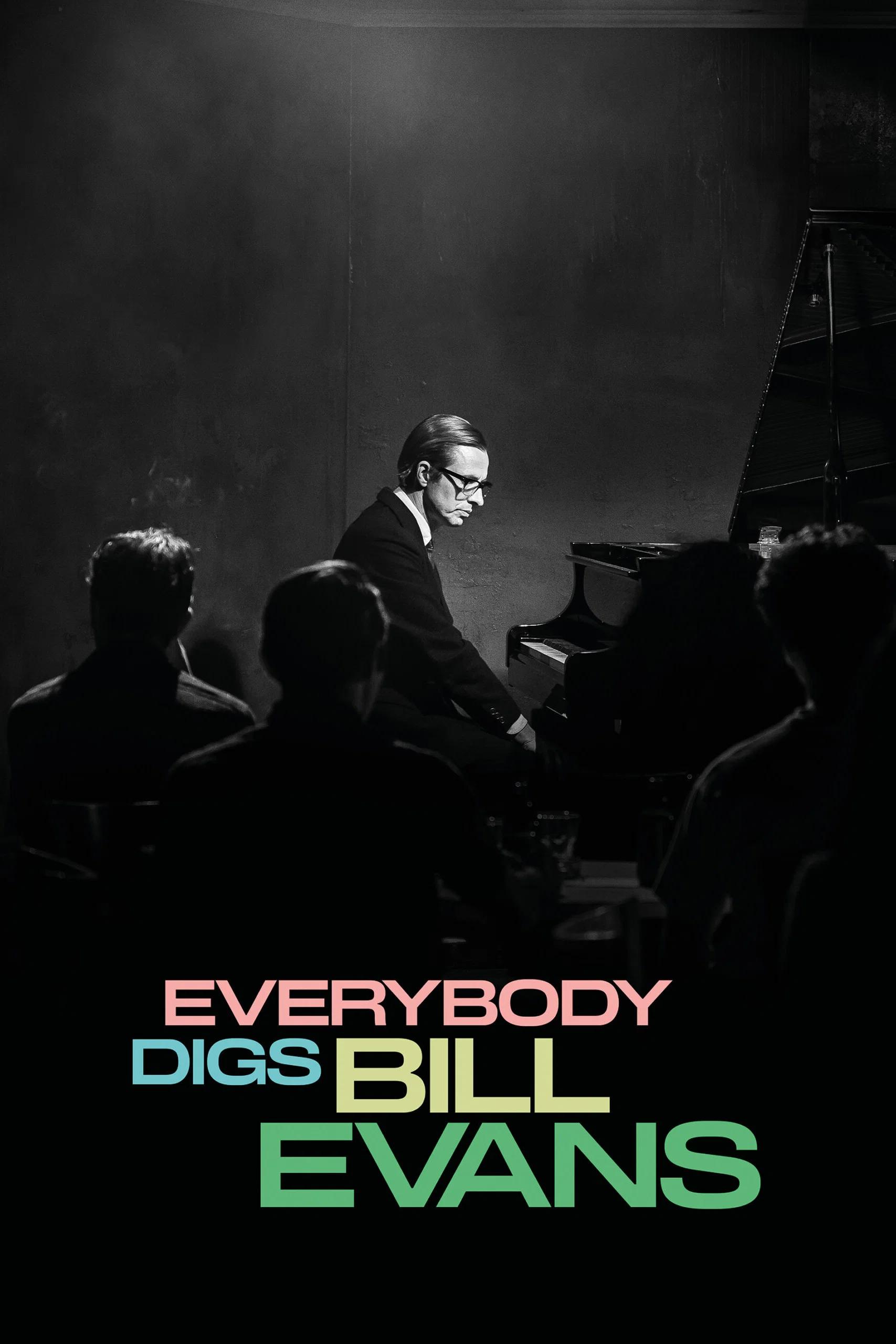
Everybody Digs Bill Evans
In June 1961, jazz pianist Bill Evans and his celebrated trio record two landmark albums at New York's Village Vanguard. Days later, bassist Scott LaFaro, Evans' close friend and musical collaborator, is killed in a car accident. Devastated by the loss, Evans withdraws from performing and retreats into a period of grief, addiction, and emotional isolation. As he seeks refuge with his family and struggles to reconnect with the people around him, the musician confronts the possibility that the creative life he has built may no longer offer the comfort or purpose it once did.
FILM AT A GLANCE
PRINCIPAL CAST
Anders Danielsen Lie · Bill Pullman · Laurie Metcalf · Barry Ward · Valene Kane · Katie McGrath
DIRECTOR
Grant Gee
SCREENPLAY
Mark O'Halloran · Grant Gee (adapted from the novel Intermission by Owen Martell)
CINEMATOGRAPHY
Piers McGrail
PRODUCTION DESIGN
Ellen Kirk
ORIGINAL SCORE
Roger Goula
DISTRIBUTOR
Cohen Media Group
THE STEADIED PERSPECTIVE
THE STEADIED PERSPECTIVE
The lives of celebrated musicians are frequently portrayed through their greatest performances, professional triumphs, and the enduring influence of their work. Everybody Digs Bill Evans takes a different approach, concentrating on a period when one of jazz's most accomplished pianists found himself unable to play. Director Grant Gee centers the film on the aftermath of bassist Scott LaFaro's death, a devastating loss that interrupted an extraordinary period of artistic achievement. Just days earlier, Evans and his trio had recorded performances at the Village Vanguard that would become landmarks in jazz history. The contrast between that creative accomplishment and the personal collapse that followed provides the film with its central tension. Rather than attempting to encompass an entire career, Gee examines the relationship between artistic identity and emotional vulnerability. For Evans, music was more than a profession; it was a means of understanding and expressing experiences that could be difficult to communicate in ordinary life. His withdrawal from the piano raises a compelling question about what remains when an artist loses access to the very thing that gives his life meaning. Gee's background in music documentaries, including films about Radiohead and Joy Division, brings an interesting perspective to his first narrative feature. Working with cinematographer Piers McGrail, he employs contrasting visual textures and shifts between periods of Evans' life, suggesting that memory, addiction, and grief cannot always be contained within a conventional chronology. Anders Danielsen Lie portrays Evans, with Bill Pullman and Laurie Metcalf appearing as his parents. Their relationships offer an intimate counterpoint to the musician's public accomplishments, emphasizing the difficulty of helping someone whose suffering resists easy explanation. Everybody Digs Bill Evans promises a portrait of artistic genius that is less concerned with romanticizing exceptional talent than with examining the human being behind it. Its subject is not simply the creation of extraordinary music, but the silence that can follow when the person responsible for it no longer knows how to continue.